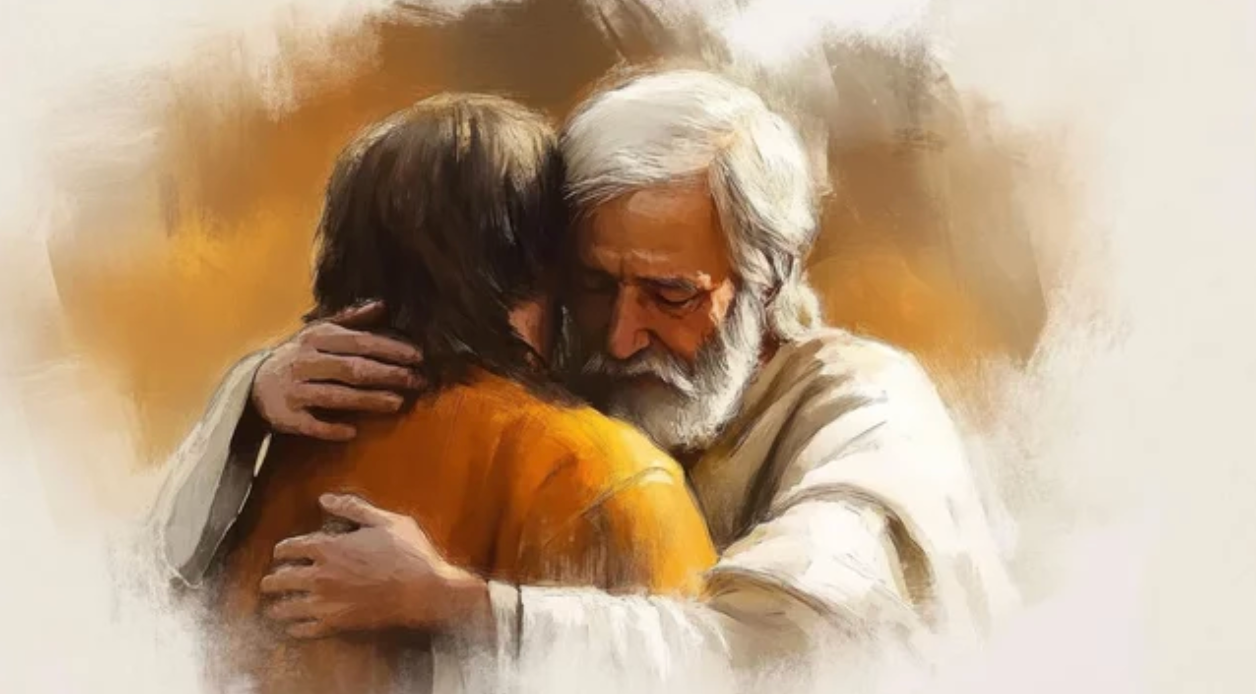

A Unified Church is not optional, it's missional

I work with several churches and pastors in Northern Colorado. Individual conversations that reflect passion, purpose and vision to see the gospel come alive in our community. I always walk away from these conversations with pastors encouraged and inspired because the theme is often very similar. Although most of the conversations echo similar passions, I wonder what does it look like for “The Bride” of Jesus Christ to be intentional about unity between churches, not just within churches?
John 17:21 On the night before the cross, Jesus did not pray for comfort, safety, or success. He prayed for unity—that His followers would be one, just as He and the Father are one, so that the world might believe.
A unified church is not optional; it is missional.
- Unity flows from shared life in Christ, not shared preferences.
Henri Nouwen reminds us that Christian unity is forged in love, not likeness:
“Community is not an emotional feeling, but a decision to love one another.”
True unity is not the absence of tension, but the presence of grace. The church becomes one body when we choose to bear with one another in humility and forgiveness, rooted in our common identity in Christ. - Unity is visible when the gospel is bigger than our labels.
Francis Chan challenges the church to reflect the prayer of Jesus:
“Our unity should be so radical that it makes the world question why we are different.”
When churches prioritize the fame of Jesus over their own platforms, unity becomes a compelling witness. The watching world should see cooperation, not competition. - Unity is something we protect, not something we manufacture.
Timothy Keller wisely notes:
“Christians are one in Christ; unity is not something we create but something we recognize and live out.” (paraphrased)
The gospel already unites believers across denominations, cultures, and generations. Our calling is to live consistently with that reality through love, patience, and shared mission. - Unity is strengthened through shared mission in the community.
In many towns, unity becomes tangible when churches work together—joint youth outreaches, shared benevolence ministries, community prayer gatherings, disaster relief efforts, FCA partnerships with schools, or pastors praying together across denominational lines. When churches lock arms to serve the poor, reach students, and proclaim Christ, the body moves as one.
Application: Answering the Prayer of Jesus
- Examine your heart: Are there prejudices, preferences, or past wounds that hinder unity? Confess them to Christ.
- Pray intentionally for other churches and leaders in your community by name.
- Look for ways to serve alongside believers outside your own congregation.
- Speak well of Christ’s church—even when it’s imperfect—remembering she is His bride.
- Ask this simple question: “How can I make unity easier, not harder, in the body of Christ?”
Jesus prayed for unity on His way to the cross.
May we honor that prayer—not just with our words, but with our lives—so that the world may know that the Father sent the Son.
FCA NOCO Blog